ASSIMILATE
An immersive performance exploring migration, identity, and belonging
Choreography · Performance · Theatrical adventure game · 2021
Assimilate is an interdisciplinary performance that brings together immersive theatre, interactive installations, contemporary dance, and live music. Blurring the boundaries between performer and spectator, the work invites audiences to become active participants in an exploration of migration, cultural identity, assimilation, and integration.
Rather than observing someone else's journey, participants are invited to experience fragments of it themselves: encountering unfamiliar languages, navigating cultural differences, and questioning what it means to adapt to a new environment while preserving one's identity.
Credits
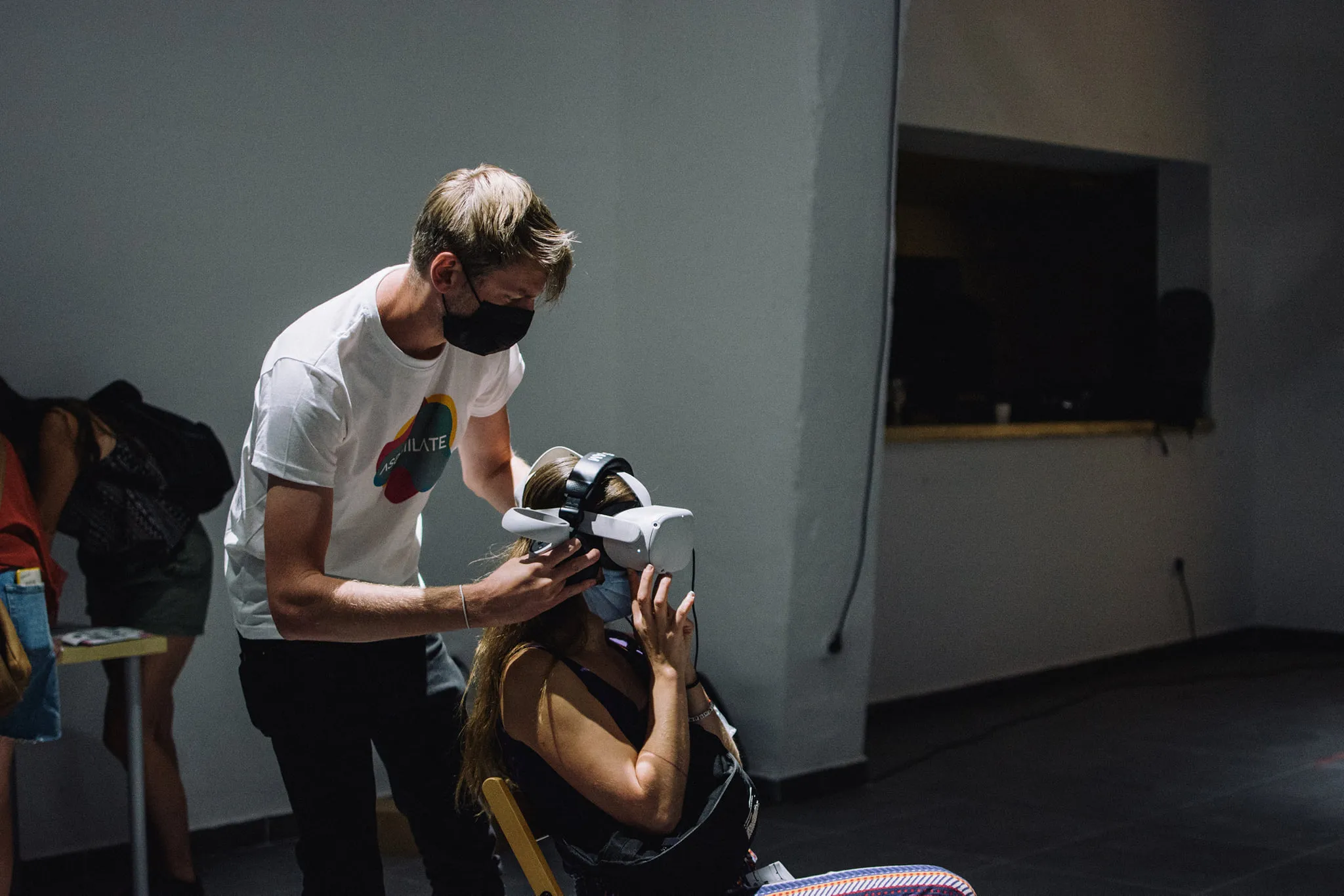
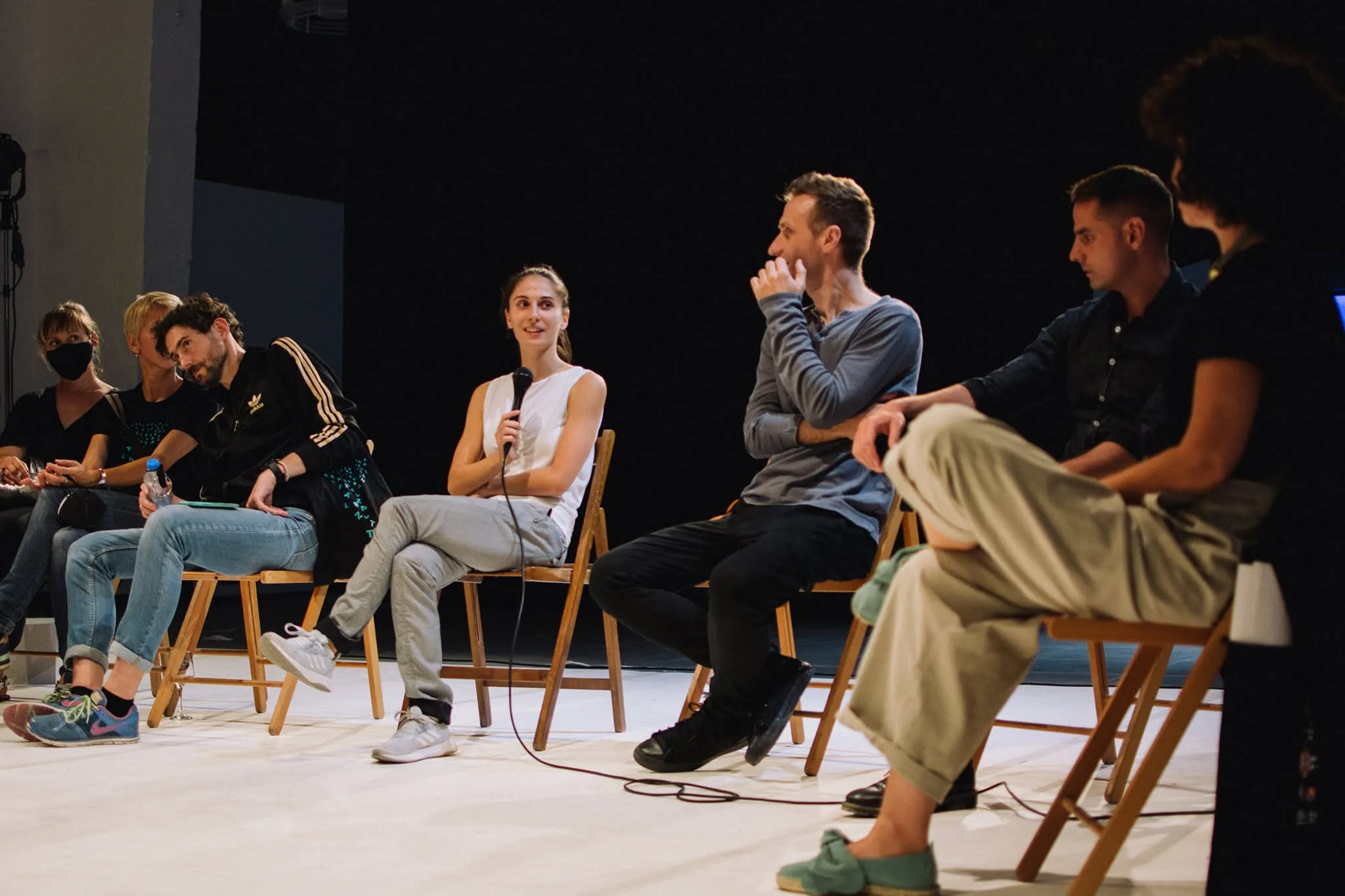
Artistic collaborators
The experience
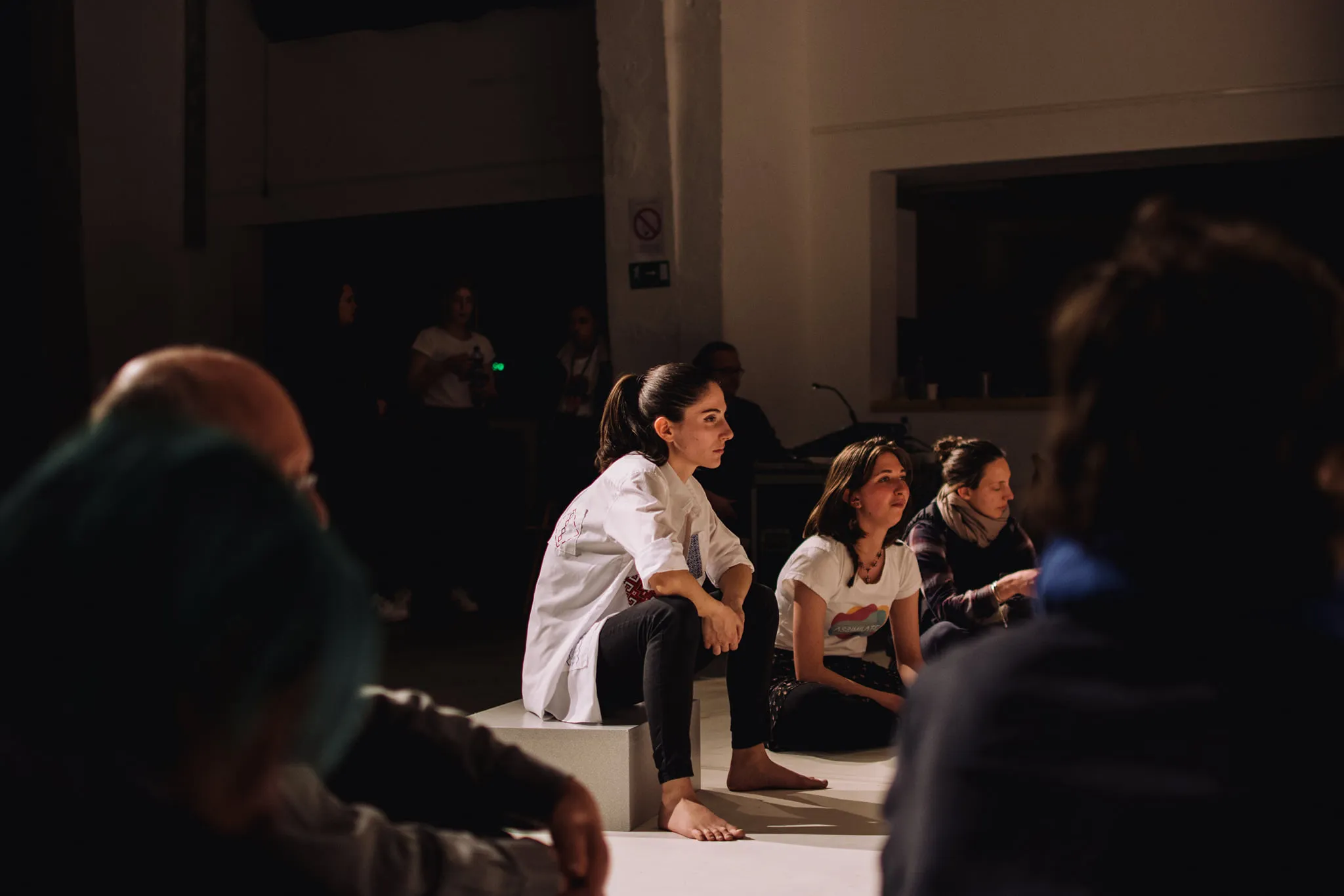
The performance unfolds in two interconnected parts: a participatory theatrical adventure game followed by a contemporary dance performance.
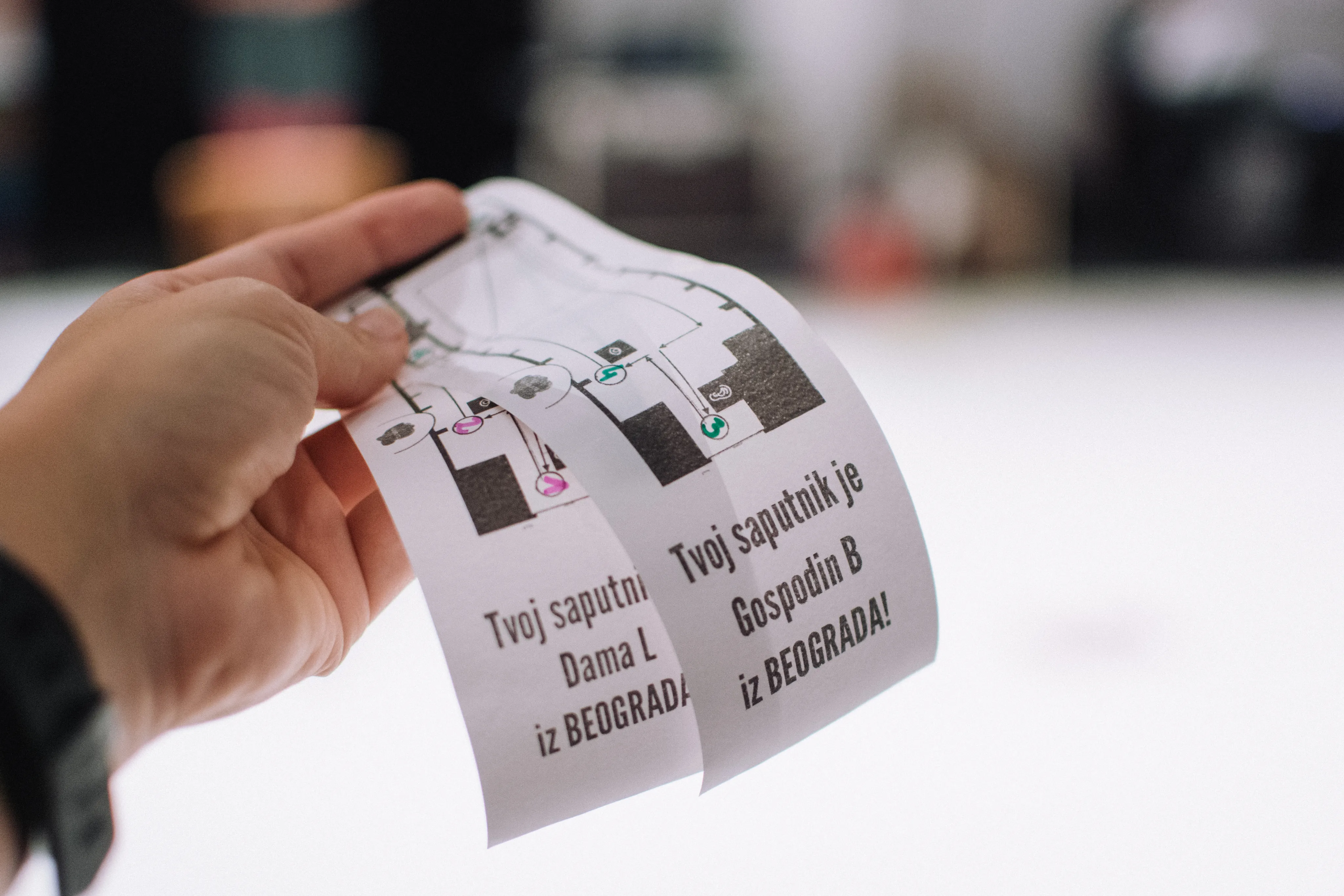
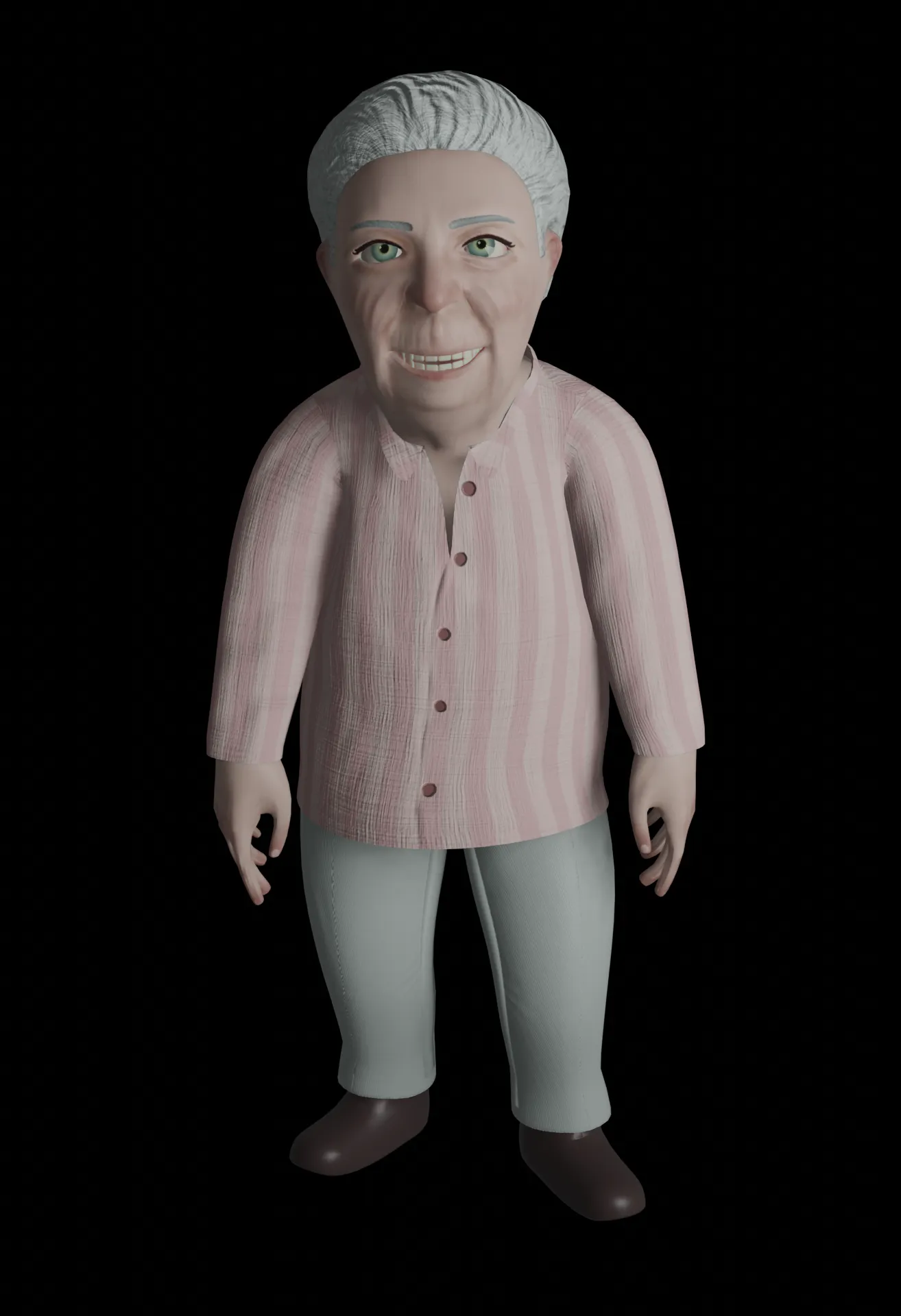
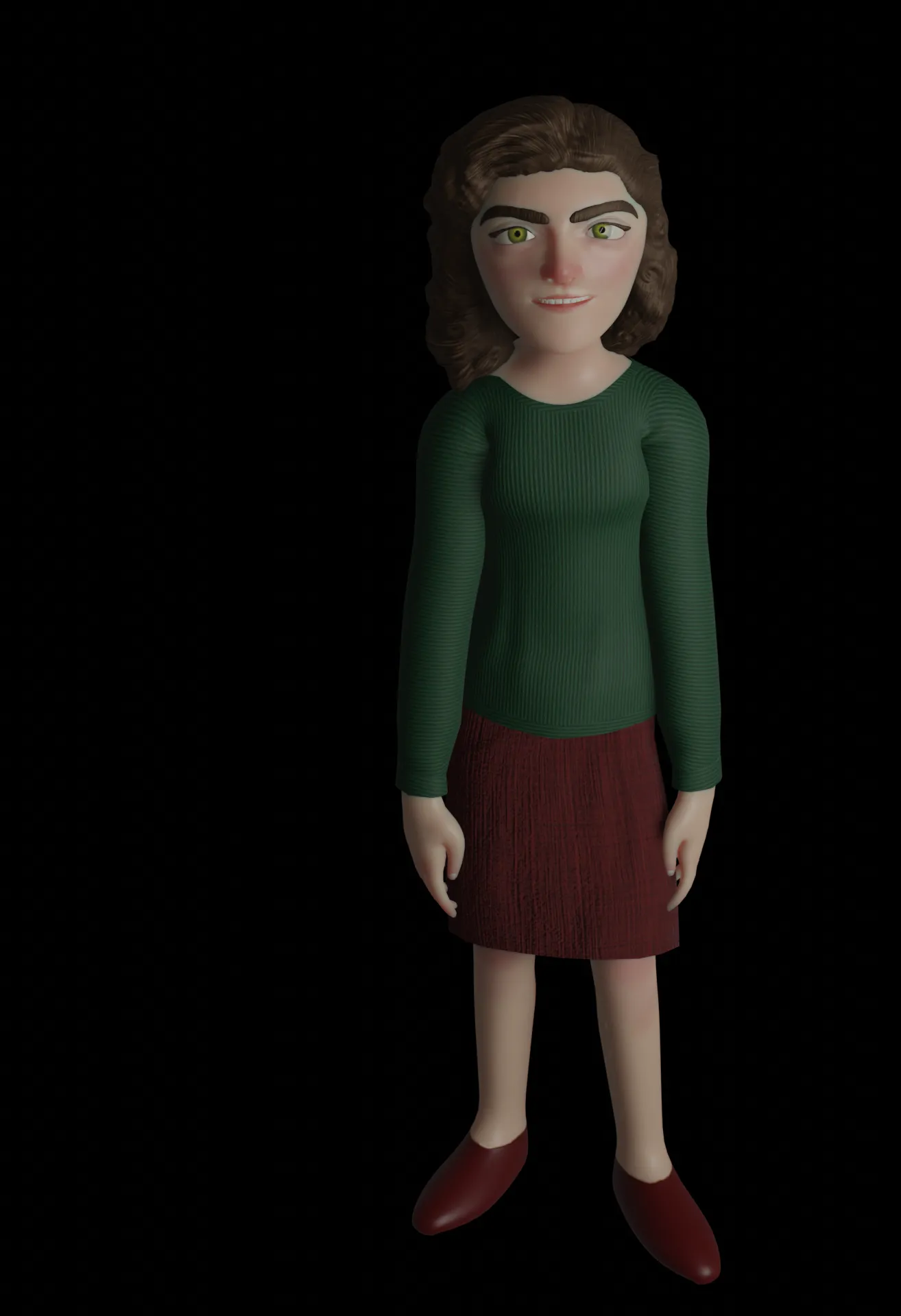
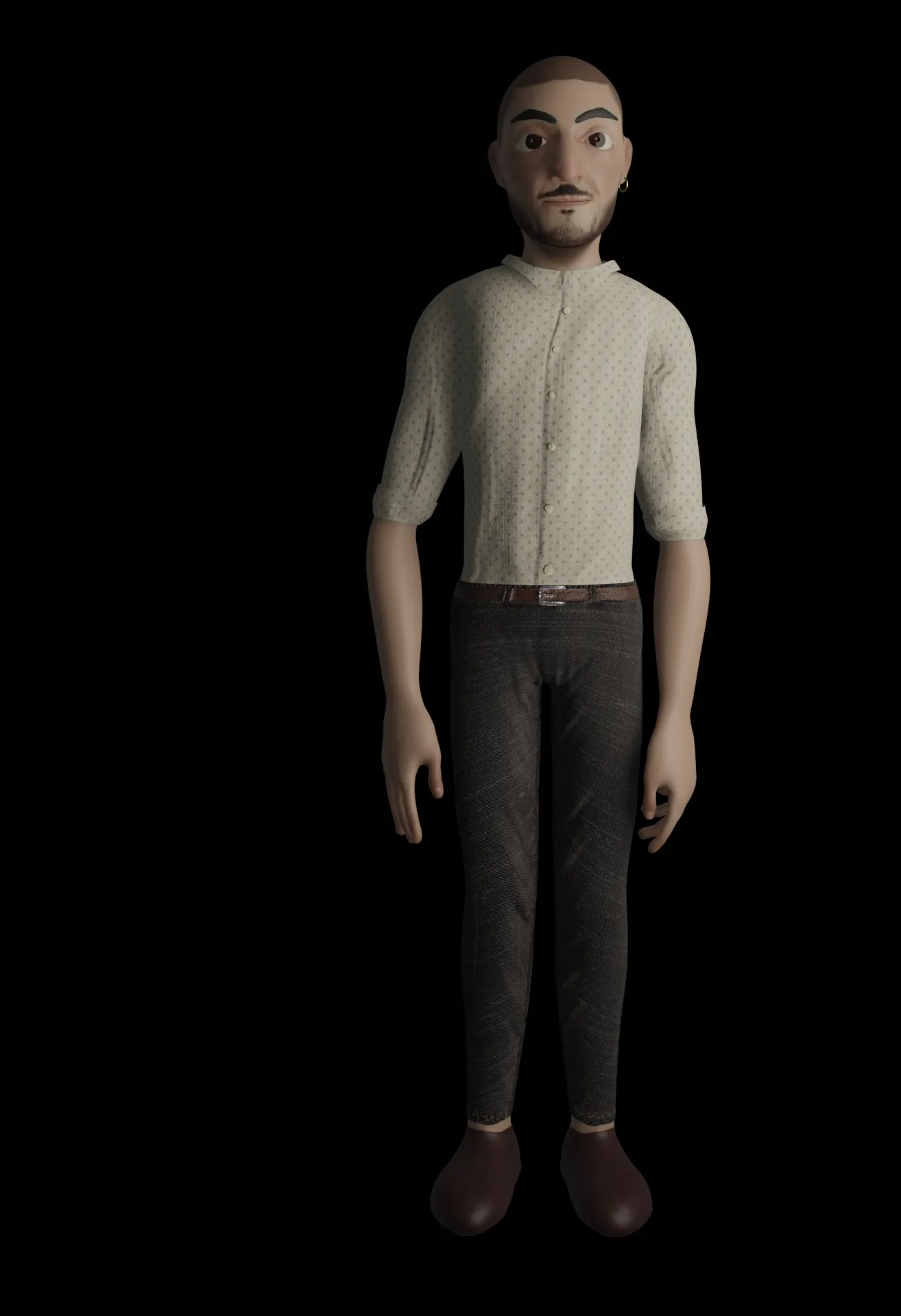
At the beginning of the journey, the audience is divided into four groups, each guided by the mysterious Voice from Afar. Every group follows the story of a different character — Tatka P, Lady L, Mr. M, or Comrade A — whose personal history gradually emerges through a sequence of interactive encounters.
Moving through four installations, participants discover the world of their assigned character through places, sounds, languages, food, and personal memories.
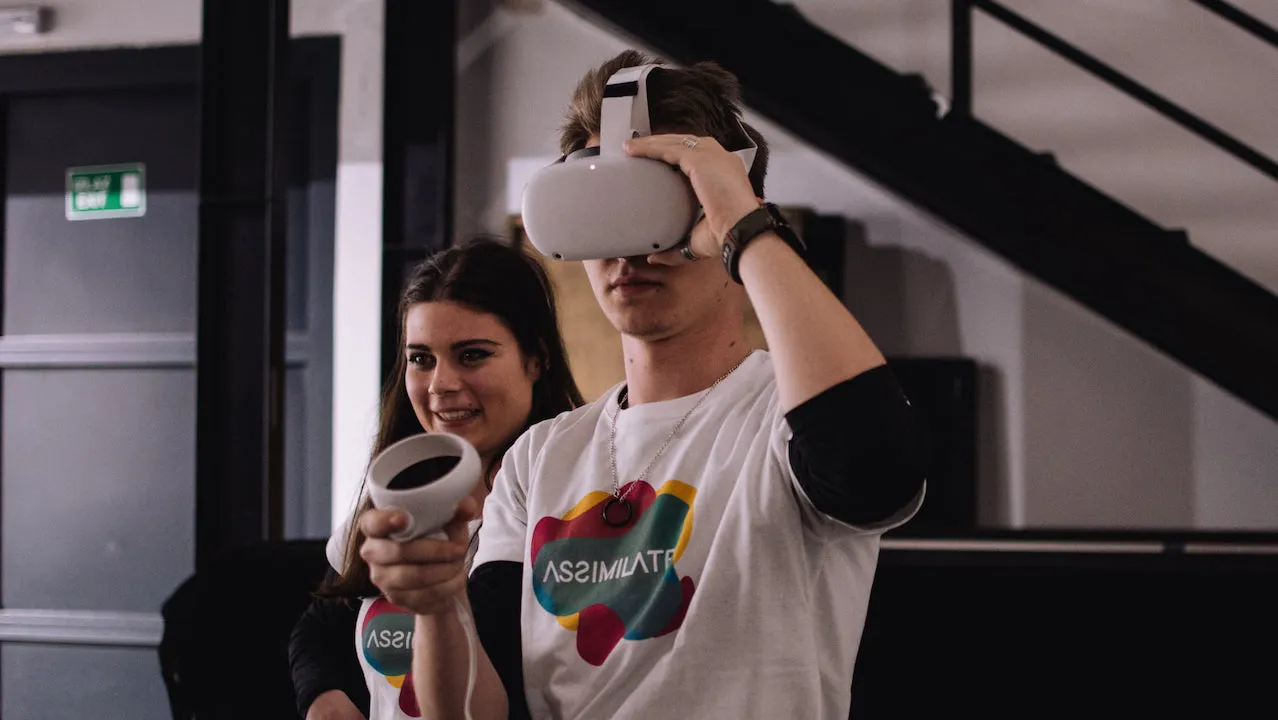
VR experience
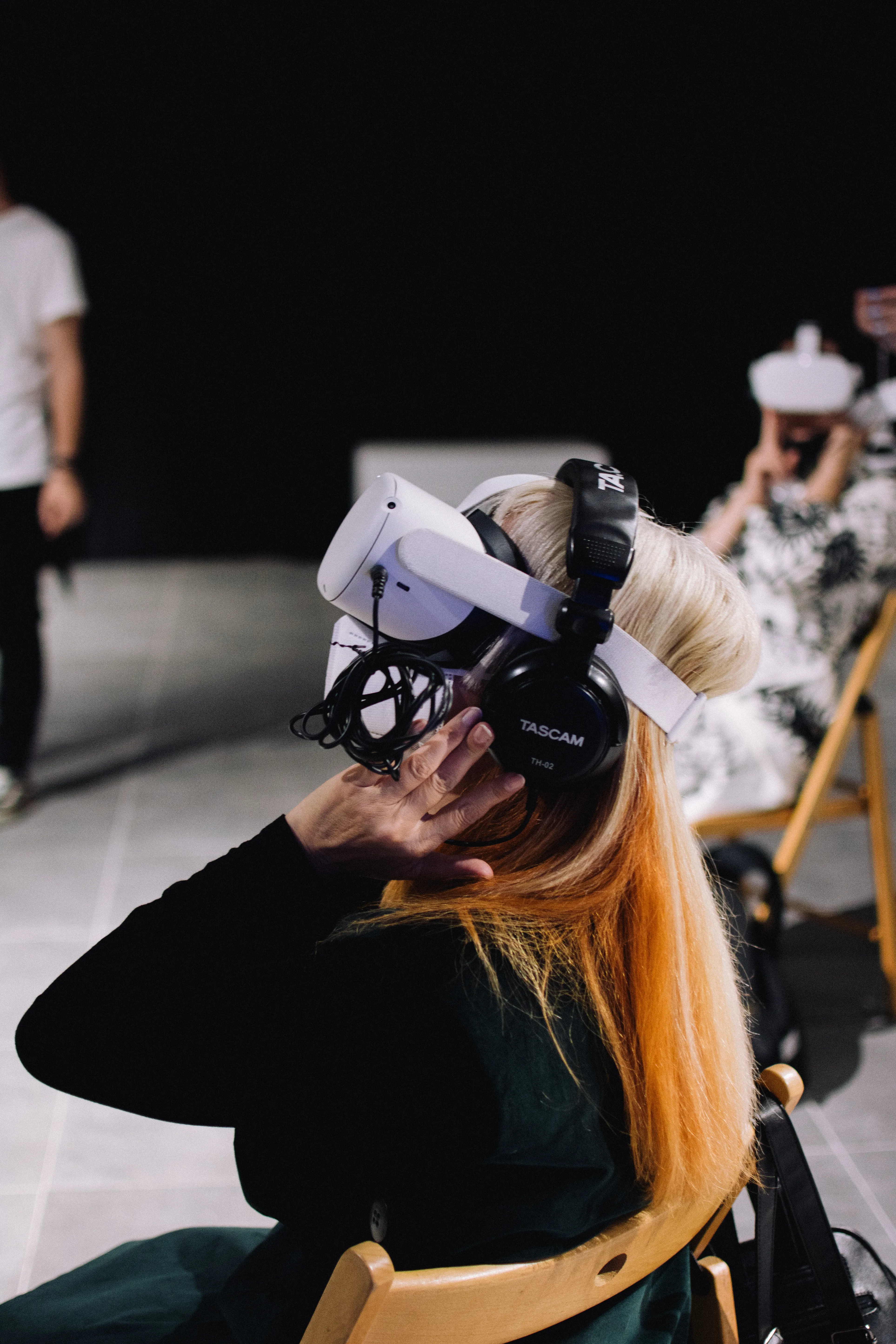
Through a virtual reality experience, participants travel to locations that have shaped their character's life, including Belgrade, Budapest, Prague, and Nîmes. These virtual encounters reveal the geographical and cultural landscapes of their migration journeys.
The Language of Sound
An interactive sound installation explores the diversity of languages and musical traditions. Participants encounter unfamiliar sounds and expressions and are challenged to learn a word in a language they do not speak, experiencing a small but meaningful aspect of navigating a new linguistic environment.
An Invitation to Dinner
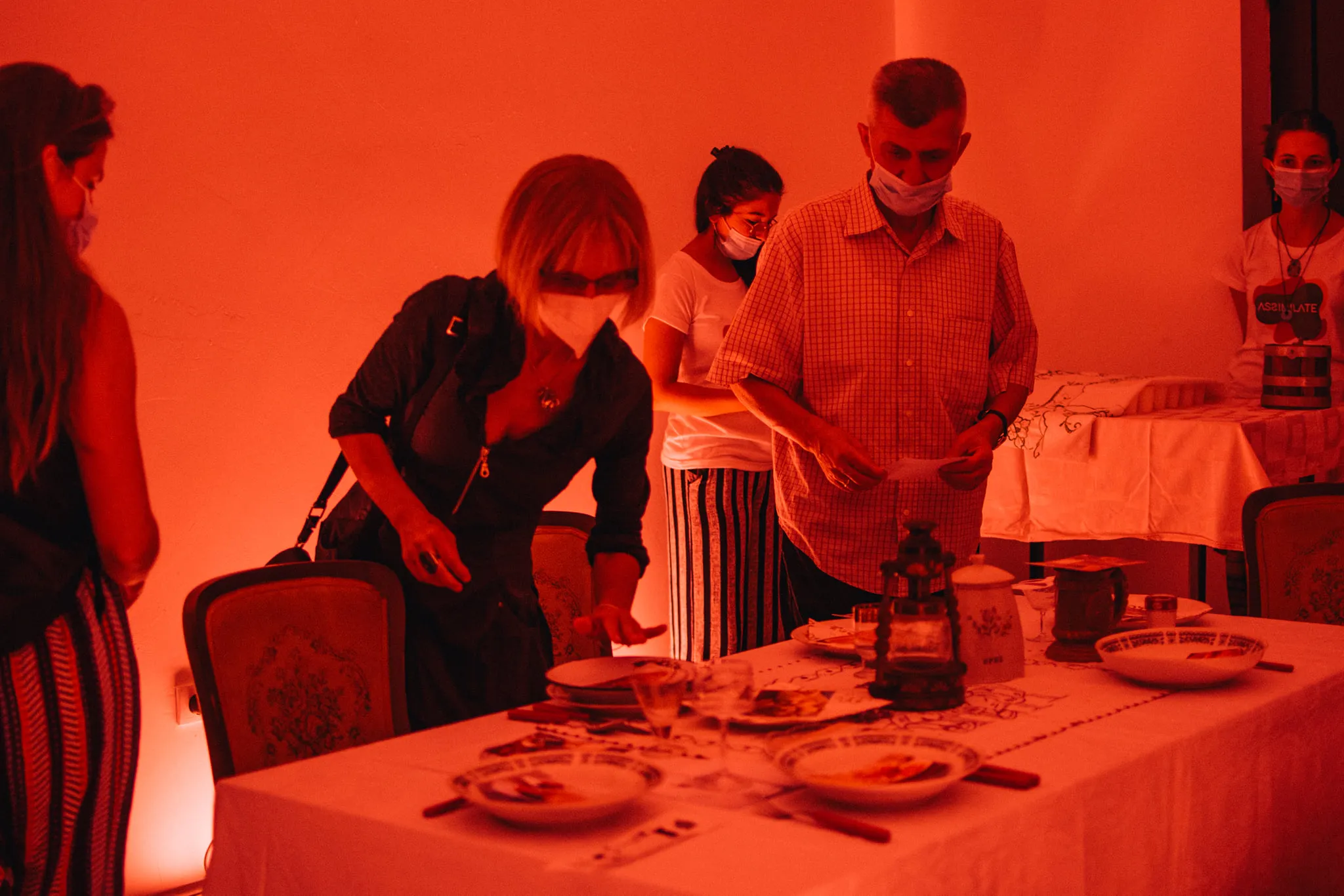
Food becomes a bridge between cultures and generations. Participants are invited to prepare an imaginary dinner for their travelling companion, choosing from dishes originating in different countries and historical periods. Their choices lead to an opportunity to taste some of the food, turning cultural discovery into a sensory experience.
Postcards from the Past
In the final installation, participants come face to face with the person behind their character's story. Photographs, archival material, personal narratives, and historical images reveal the places and times in which these individuals lived.
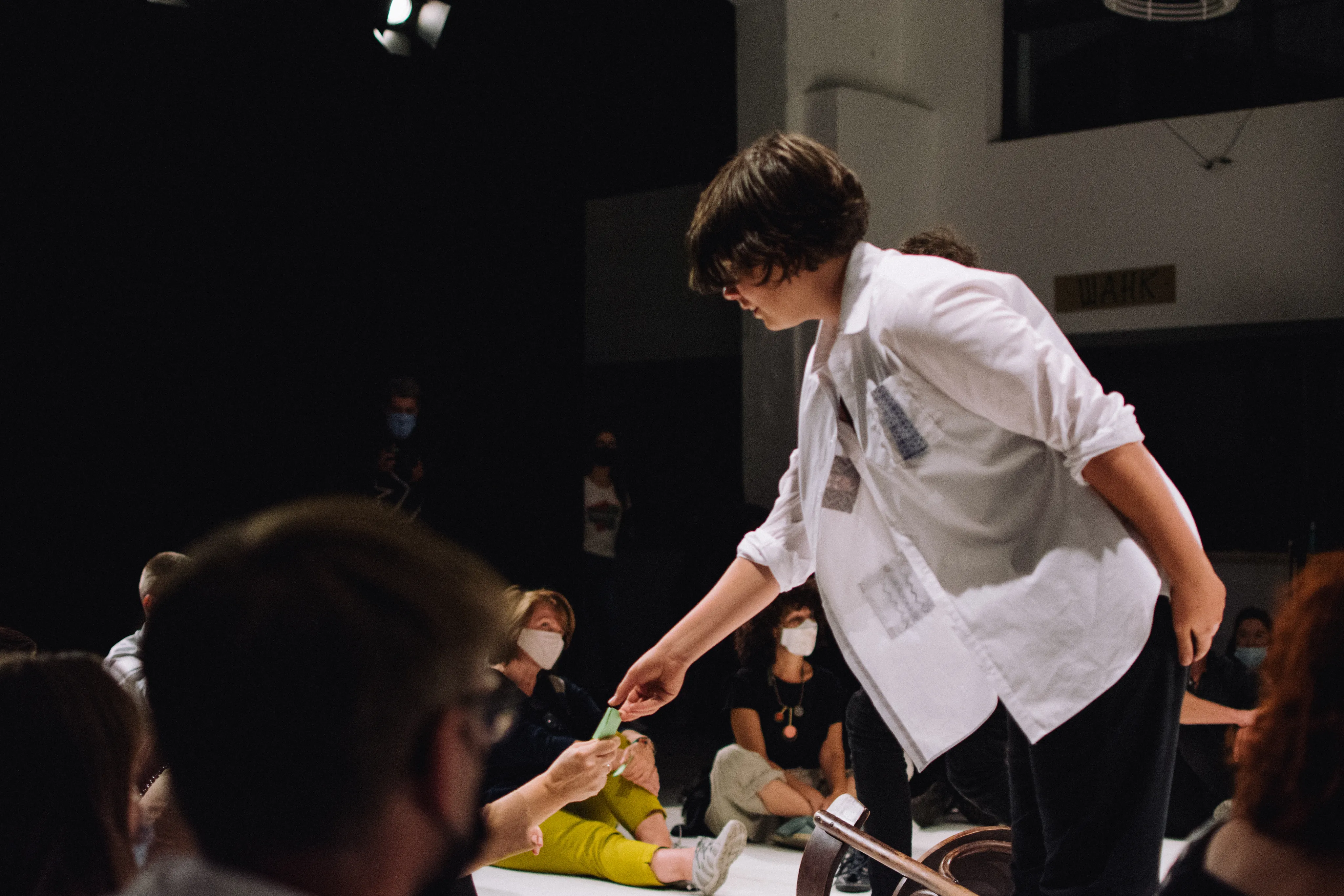
The journey concludes with a simple act of connection: participants are invited to write a postcard to someone of their choice. These postcards are then sent to real addresses, both locally and internationally, extending the experience beyond the performance space.
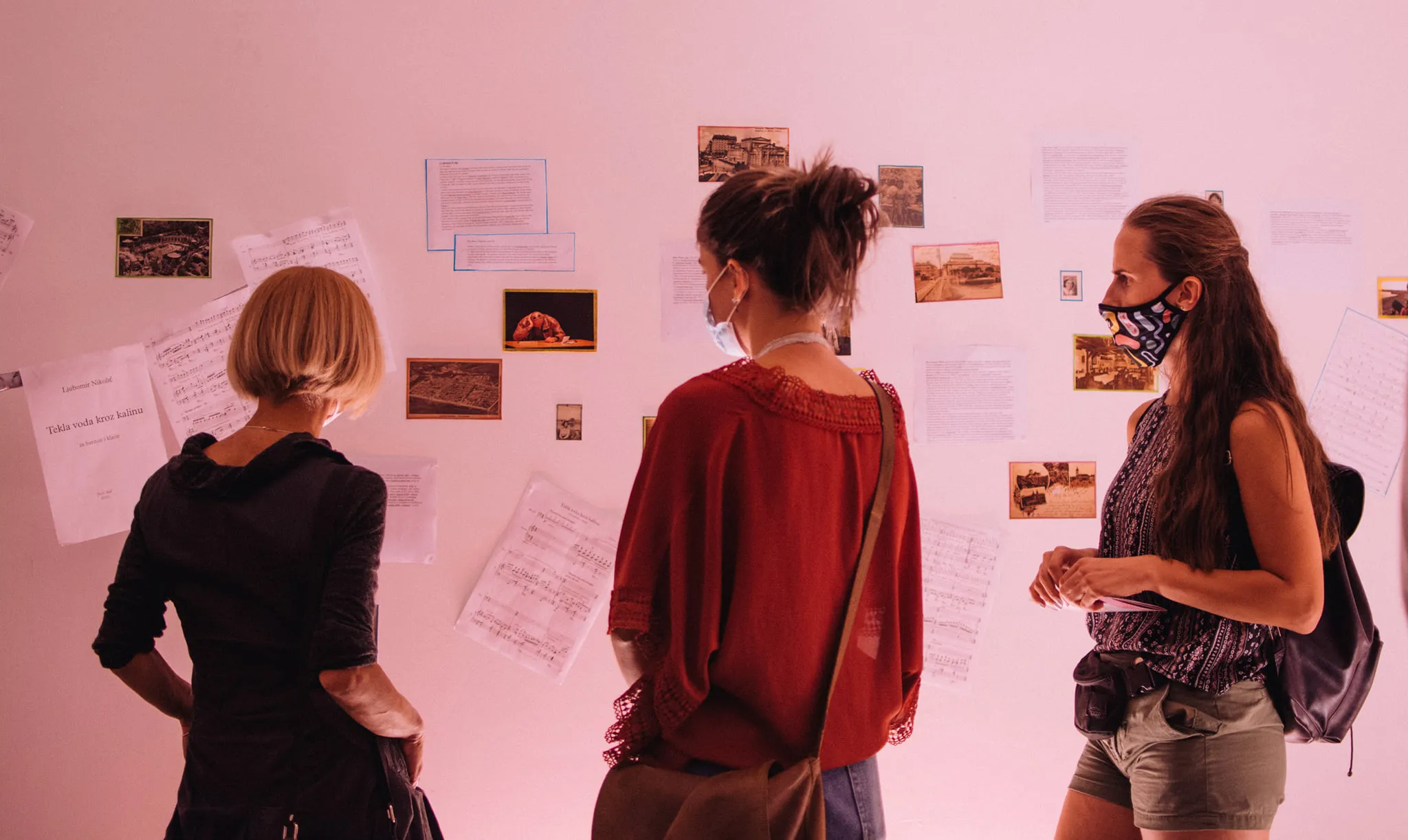
Four Lives, Four Journeys
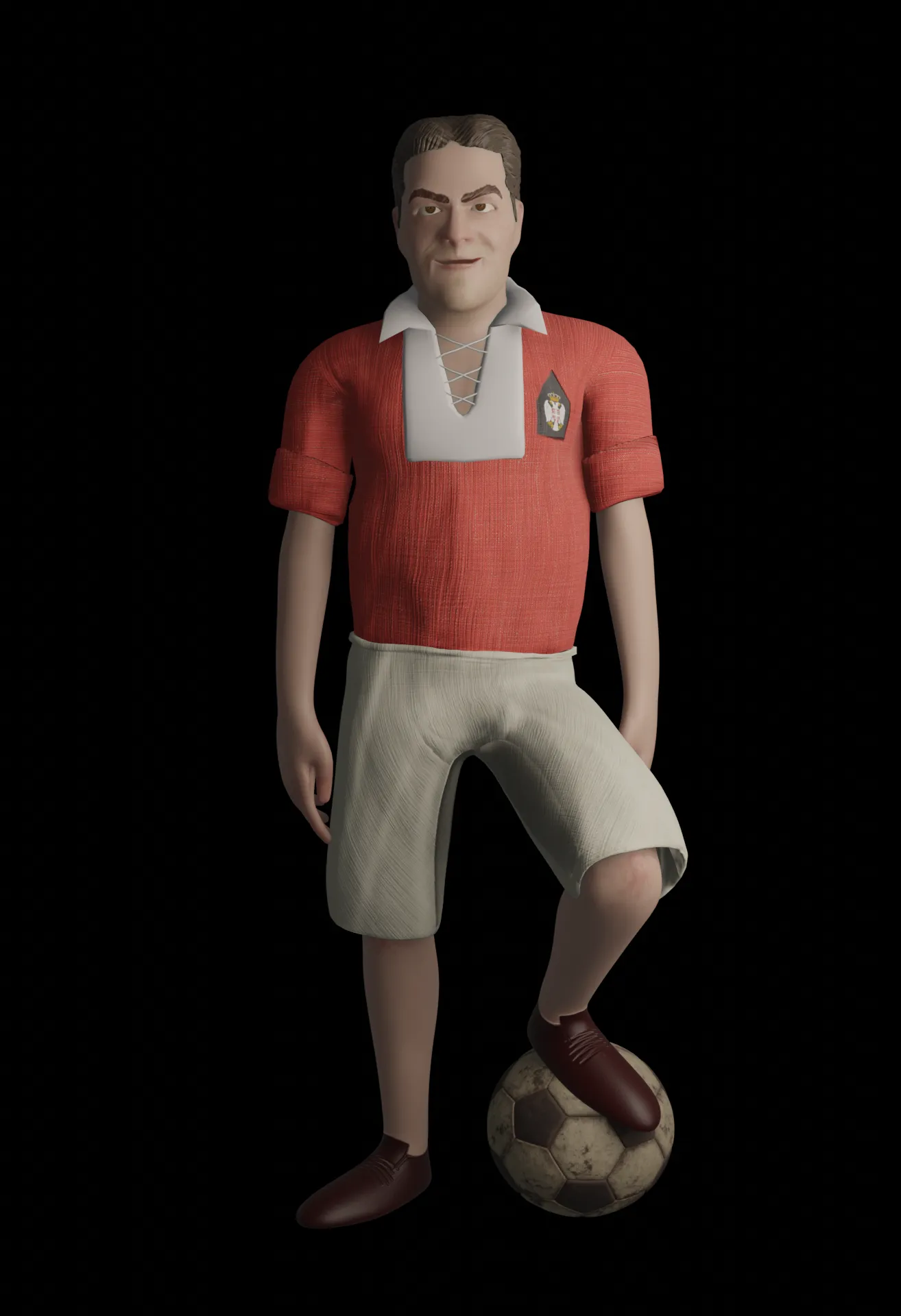
Although the characters are introduced through fictionalised identities, their stories are based on the lives of four real people.
Each experienced migration under different circumstances, carrying their own memories, cultural heritage, and reasons for leaving home.
By following one person's journey, each group develops an intimate understanding of a particular migration experience. Yet no group holds the entire story. Only when the participants reunite does the diversity of these individual experiences become part of a shared narrative.
Dance Performance
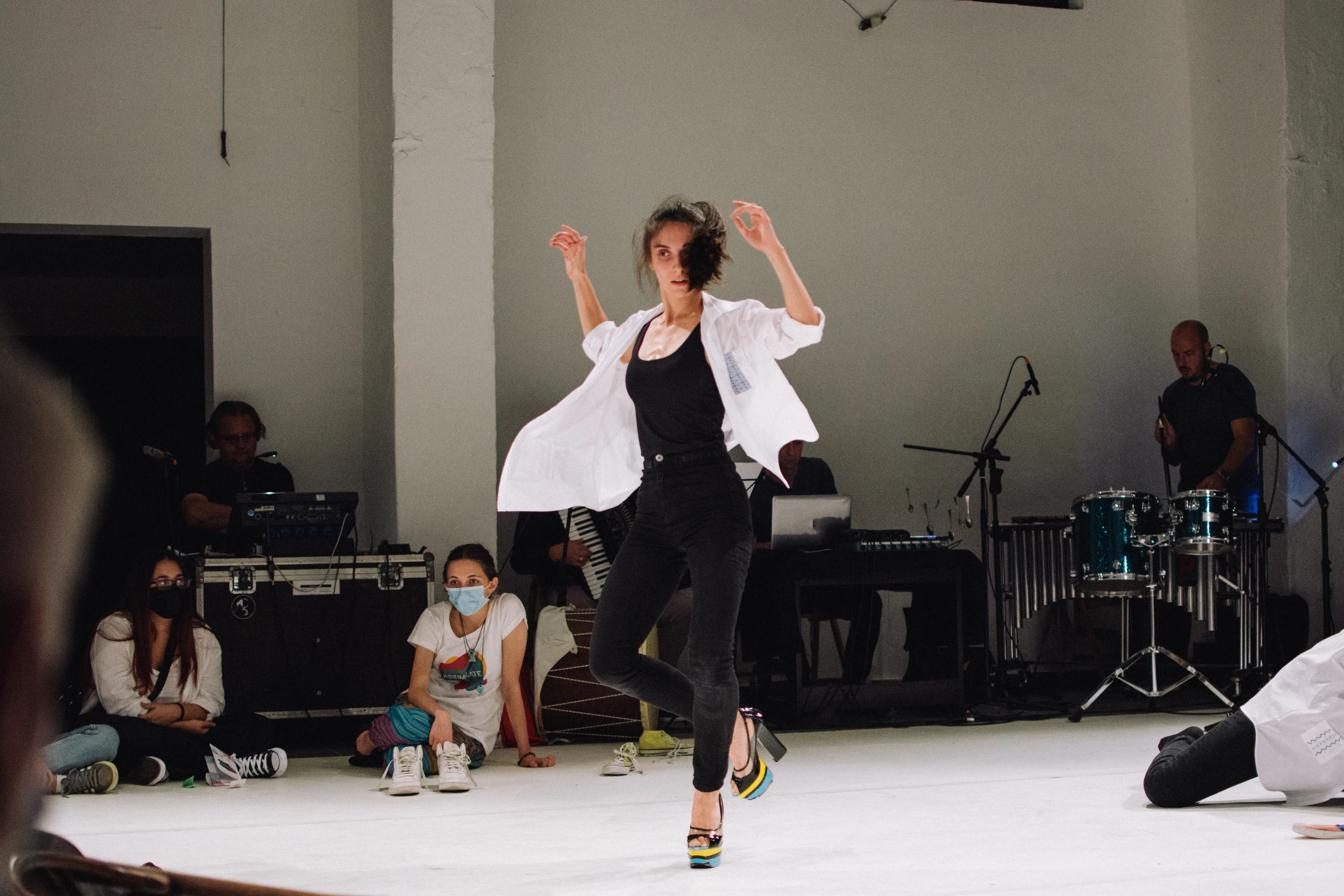
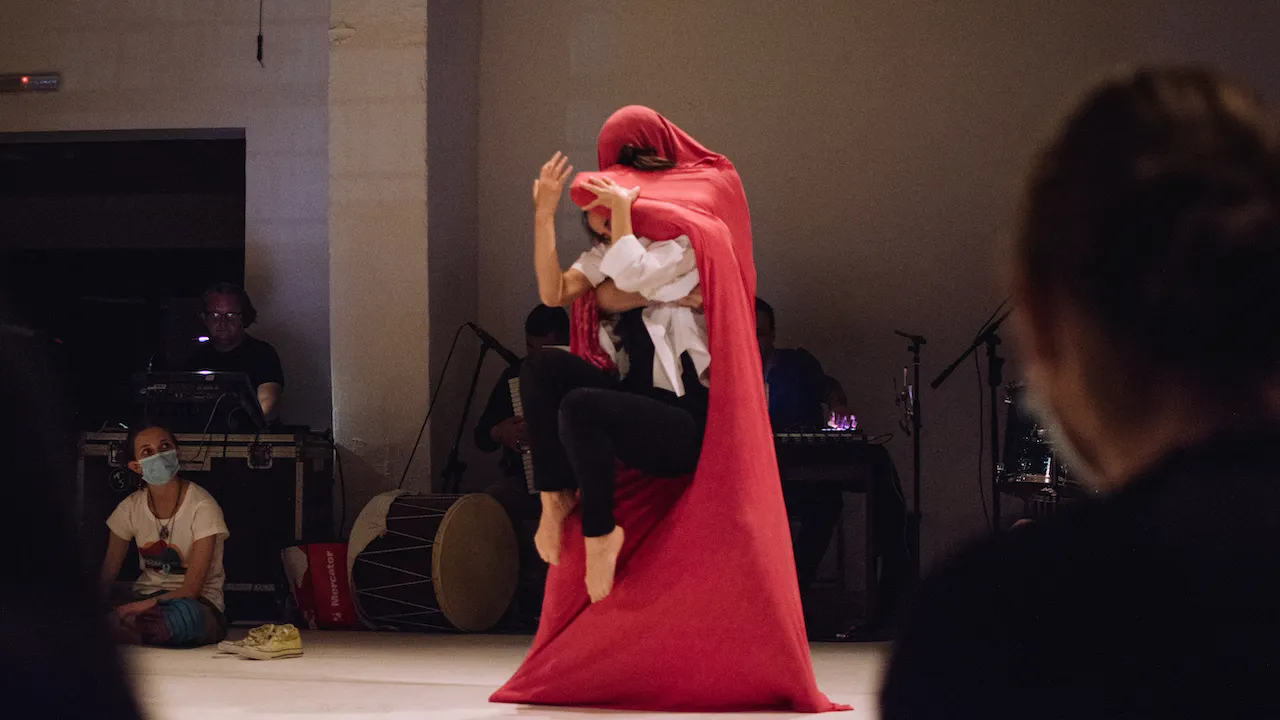
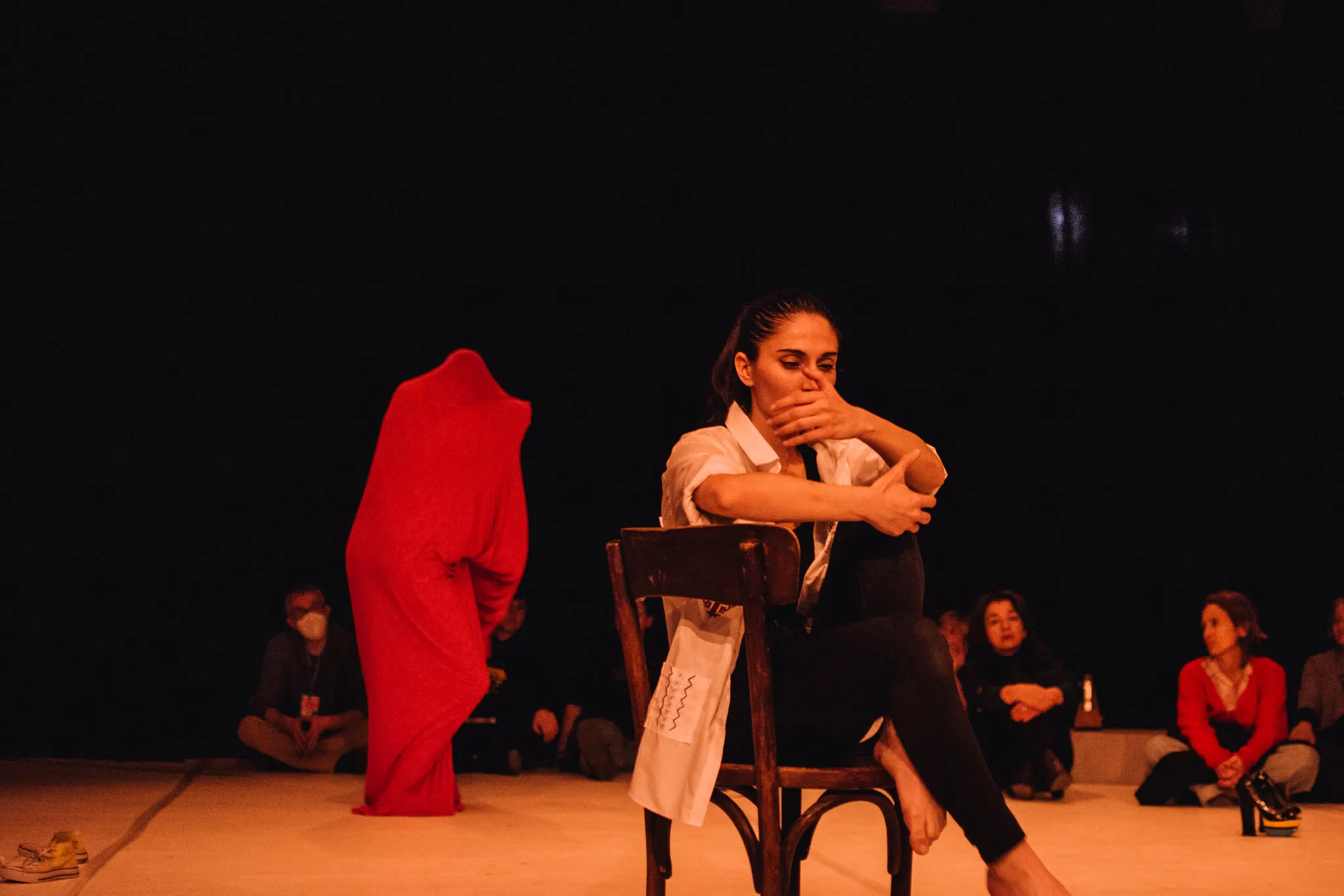
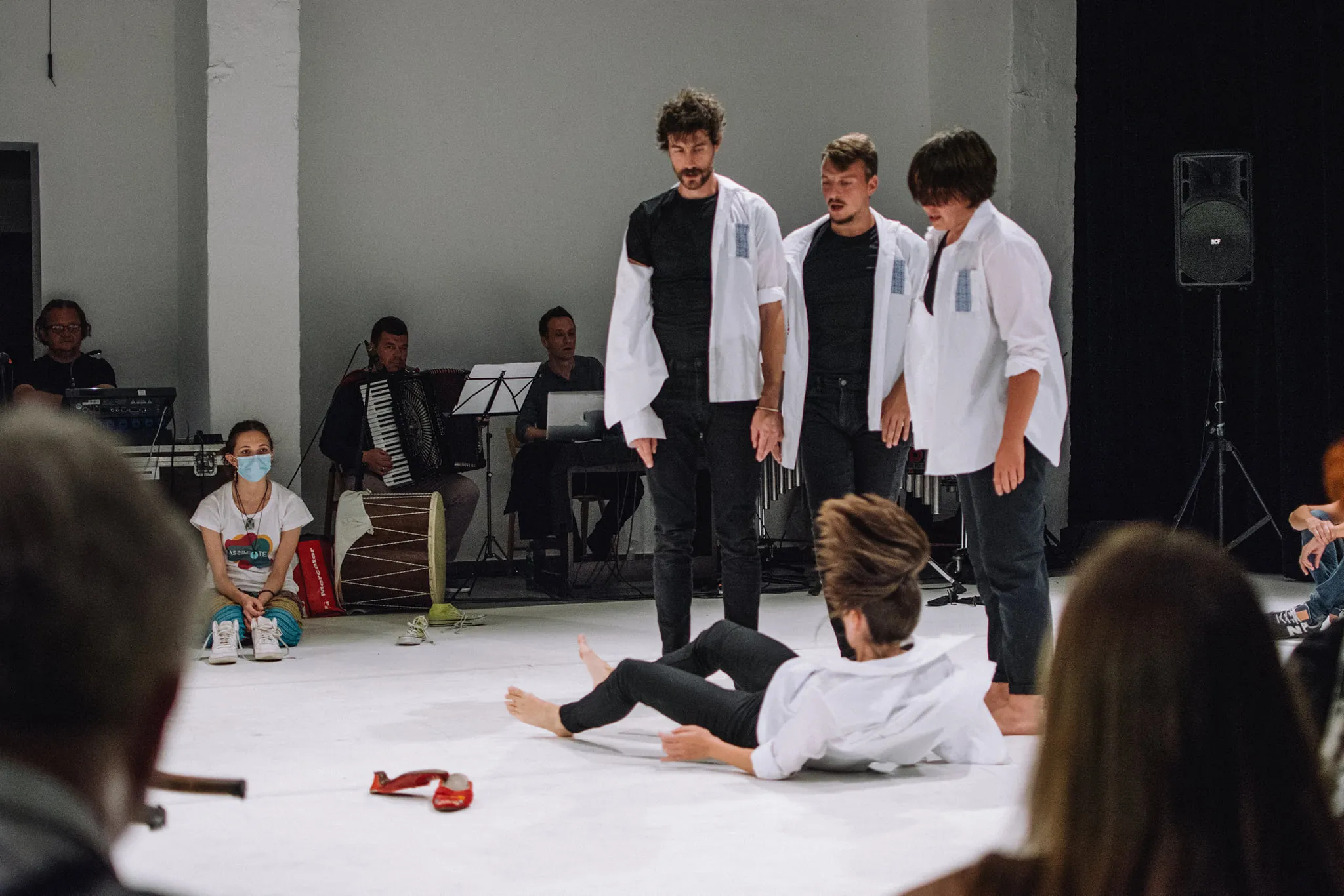
Following the interactive journey, the audience gathers for the second part of Assimilate: a contemporary dance performance that transforms the experiences and questions explored in the installations into physical expression.
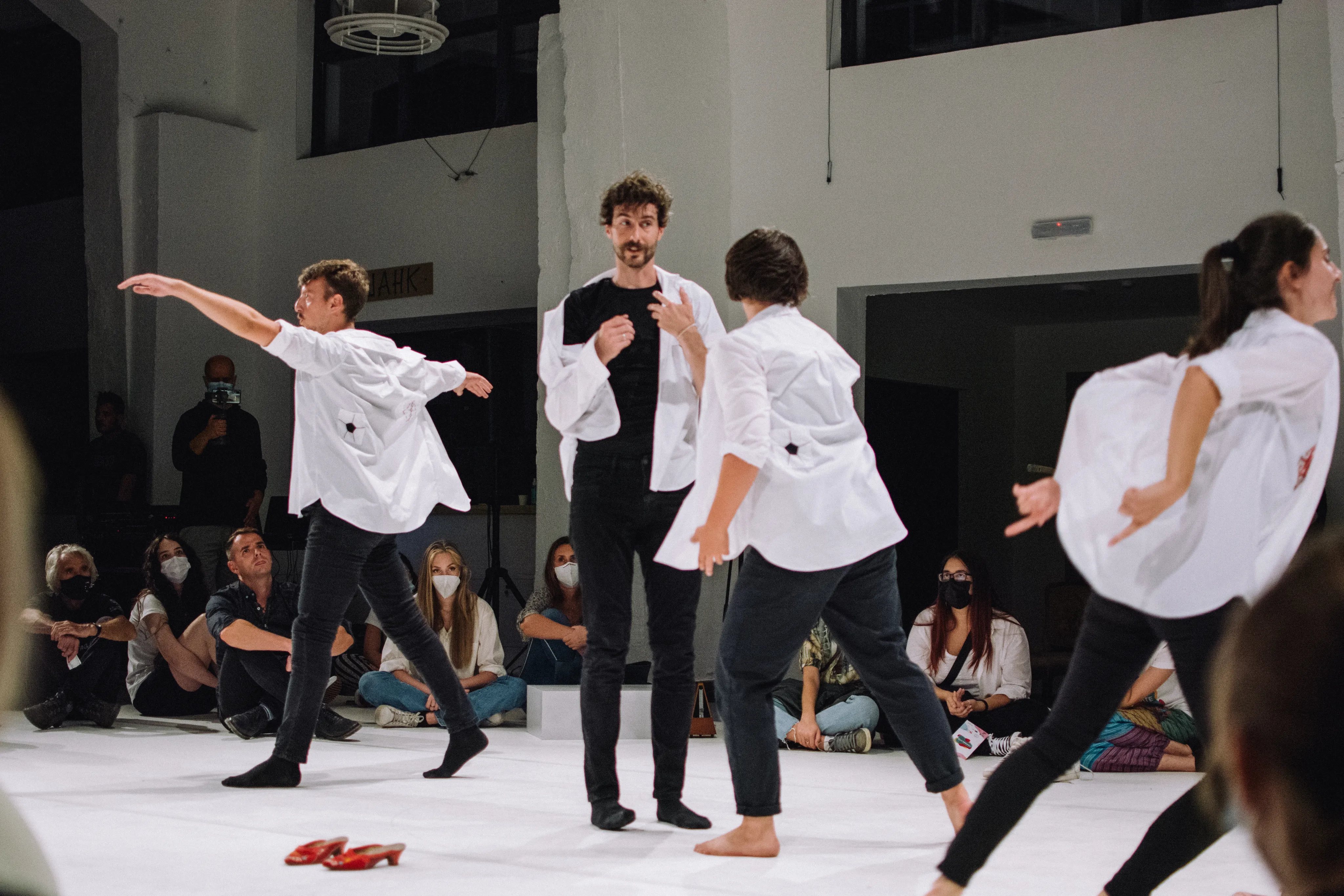
The choreography brings together four distinct cultural backgrounds, movement languages, and ways of communicating. What emerges is an organised chaos of gestures, rhythms, encounters, misunderstandings, and attempts to connect.
Through movement, the performers investigate the social and psychological dimensions of migration and adaptation. How does the body respond to an unfamiliar environment? What happens to our sense of identity when we must learn new ways of speaking, behaving, and belonging? Can we experience the same freedom in a new country that we once felt at home?
The audience remains an active part of this exploration. Through invitations to imitate gestures, interpret body language, and respond to unfamiliar forms of communication, participants encounter some of the challenges involved in adapting to another culture.
Rather than offering a single interpretation of migration, the performance creates space for empathy, uncertainty, recognition, and reflection.